A payment provider approves a new sub-merchant, and six months later a regulator asks who actually owns that business. If the beneficial ownership record was never verified past a name typed into an application form, that provider has a compliance gap, not just a paperwork gap.
KYB, or Know Your Business, is the set of checks meant to close that gap before an account ever goes live. Here is what those checks actually cover, what regulators expect, and what KYB compliance software adds that a manual review cannot.
What KYB Actually Checks
A complete KYB review confirms a business's legal name, registration number, and status, along with its registered and operational addresses. It also identifies ultimate beneficial owners, typically anyone holding 10 to 25% or more of the company, and screens them against sanctions and watchlists.
A full review also covers licensing and permits, a basic financial health assessment, and a plan for ongoing monitoring rather than a one-time check. Supporting documents usually include articles of association, a certificate of incorporation, shareholder and director registries, proof of registered address, and audited financial statements when enhanced due diligence applies.
The Regulatory Baseline Payment Providers Work Against
In the United States, FinCEN's Customer Due Diligence Rule sets the baseline for verifying beneficial ownership. In the European Union, the 5th and 6th Anti-Money Laundering Directives extend similar requirements, and the UK's Money Laundering Regulations set a comparable standard.
The Financial Action Task Force sets the international standard these rules are built on. Most of them share one requirement in common: records need to be kept for a minimum of 5 years after the business relationship ends.
Where Manual KYB Breaks Down
The cost of getting this wrong keeps climbing. Global fraud losses are expected to reach $23 billion in 2025, with projections putting that figure at $58.3 billion by 2030.
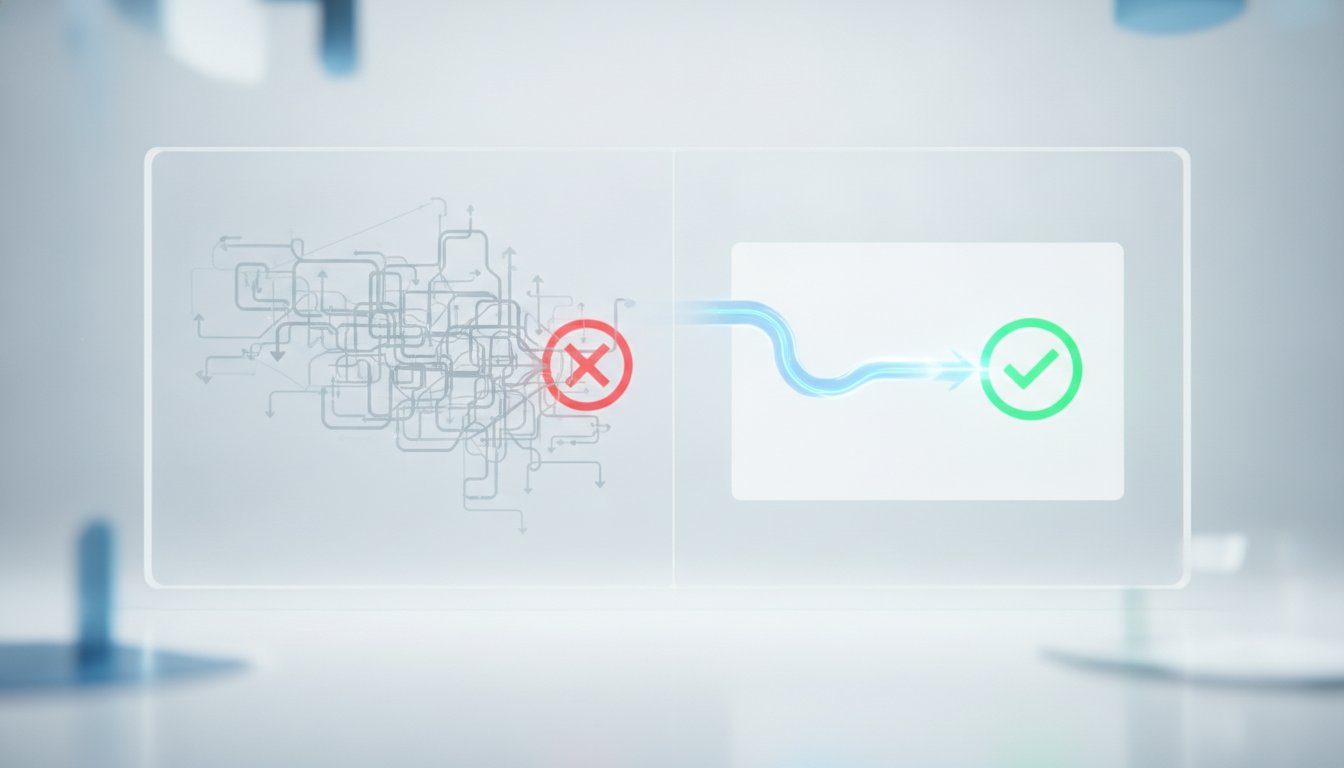
Manual verification is also slow. In one documented case, moving from manual to automated business verification cut checks from around 24 hours to about 17 seconds, alongside a 30% increase in pass rates and a 40% drop in fraud and false positives. That gap is a direct result of how much of manual KYB is document chasing rather than actual risk assessment.
What Automated KYB Adds
Gratify's Underwriting runs KYB checks across 62 or more configurable data points and connects to six separate verification integrations, so business registration, beneficial ownership, and sanctions screening run in parallel instead of one after another.
That parallel structure is what turns a review that could take a day or more into one a payment provider can complete the same day an application comes in, without skipping any of the checks regulators expect to see documented.
See what a 62-point KYB review looks like on your own application volume. Book a demo of Gratify's Underwriting.
Frequently Asked Questions
What does KYB stand for, and how is it different from KYC?
KYB stands for Know Your Business, and it verifies a company itself, including its legal status, ownership, and standing. KYC, or Know Your Customer, verifies individual people, so a payment provider typically runs both when onboarding a business account and its beneficial owners.
Who counts as a beneficial owner for KYB purposes?
Regulators generally define a beneficial owner as anyone holding 10 to 25% or more ownership or significant control over a business, depending on the jurisdiction. Payment providers are expected to identify and screen each of these individuals, not just the person who signs the application.
How long should a KYB review take?
A manual review can take a day or more once document collection and cross-checking are included. Automated KYB software can complete the same checks in minutes, though a full review may still take longer when enhanced due diligence documents are required.
What documents are usually required for KYB verification?
Standard documentation includes a certificate of incorporation, articles of association, shareholder and director registries, and proof of the business's registered address. Enhanced due diligence cases may also require audited financial statements.
Is a one-time KYB check enough for ongoing compliance?
No. Regulators expect ongoing monitoring after the initial verification, not a single check at onboarding, since a business's ownership, licensing, or risk profile can change over the life of the account.
Calculate your onboarding costs
ISOs processing 1,000 merchants/year spend $250K on manual onboarding. See your numbers.
Get Your Cost Analysis