2026 State of Merchant Onboarding is out
Get the Report


ScanX — formerly Agreement Express, now part of NMI's Merchant Central suite — automates underwriting with 100+ compliance and verification checks. It handles document collection, KYC/KYB, risk scoring, and AML data competently, and it runs as a modular product without requiring the NMI gateway. The underwriting engine is mature. The question isn't capability — it's where your merchant data ends up.
ScanX does what it says: fast, automated underwriting. But it's owned by NMI, a payments-infrastructure company that processes transactions, bills merchants, and revenue-shares across a network of partners. Every merchant you underwrite through ScanX — their financials, ownership, risk profile, and the pricing you're quoting — flows into that platform. You're putting your pipeline intelligence inside a third party whose business is the same payments value chain you operate in. An independent platform keeps that data yours: the underwriting decision, the merchant record, and the book stay under your control, not a vendor's.
ScanX handles underwriting. Compare that single stage against Gratify's full, independent merchant lifecycle.
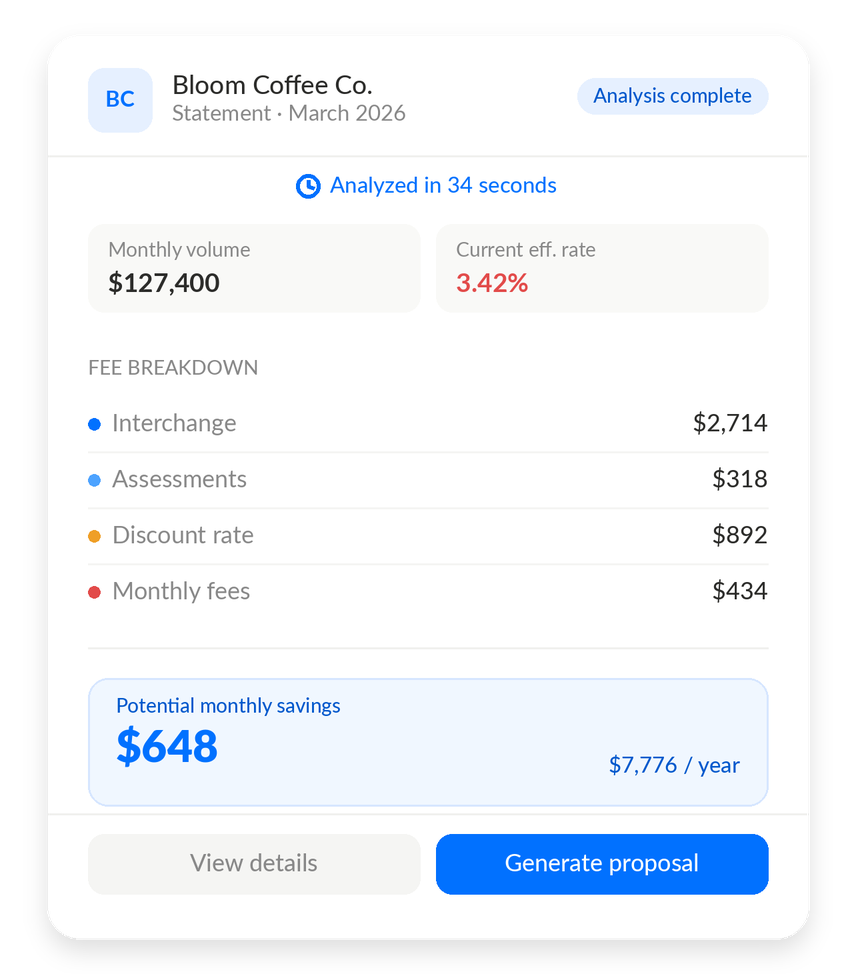
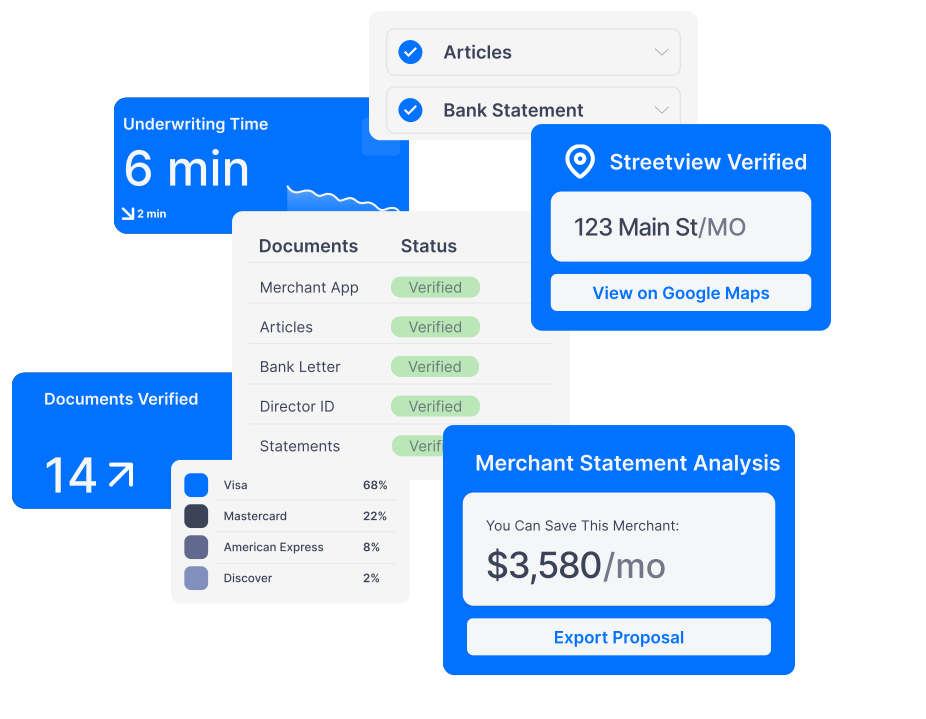
Your rep uploads a merchant statement. Gratify returns a margin analysis and branded quote in 60 seconds. The pre-application stage is the entire reason your sales motion accelerates — and it's a stage ScanX doesn't include.
Twenty to forty-five minutes of manual statement review collapses into the time it takes to send a follow-up email. Your reps win deals on accurate pricing instead of estimates.
The analysis pulls processor fees, surcharges, and ancillary line items into a single branded view per ISO. The merchant sees pricing they can act on, not a generic pitch.
ScanX begins at underwriting, after the deal is already in motion. Statement Analyzer runs before the application opens.
ScanX doesn't touch this stage — its workflow starts at underwriting, after the deal's already in motion.
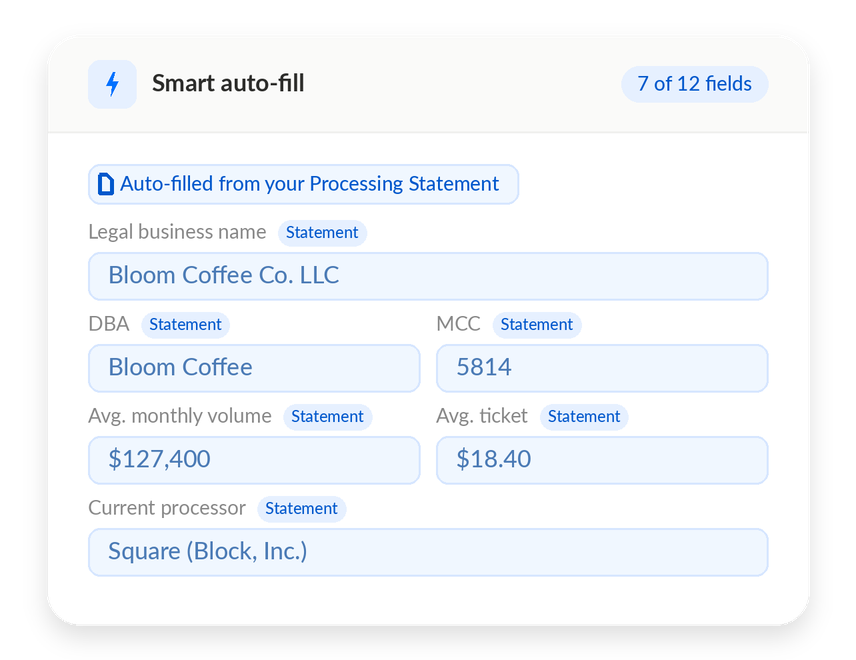
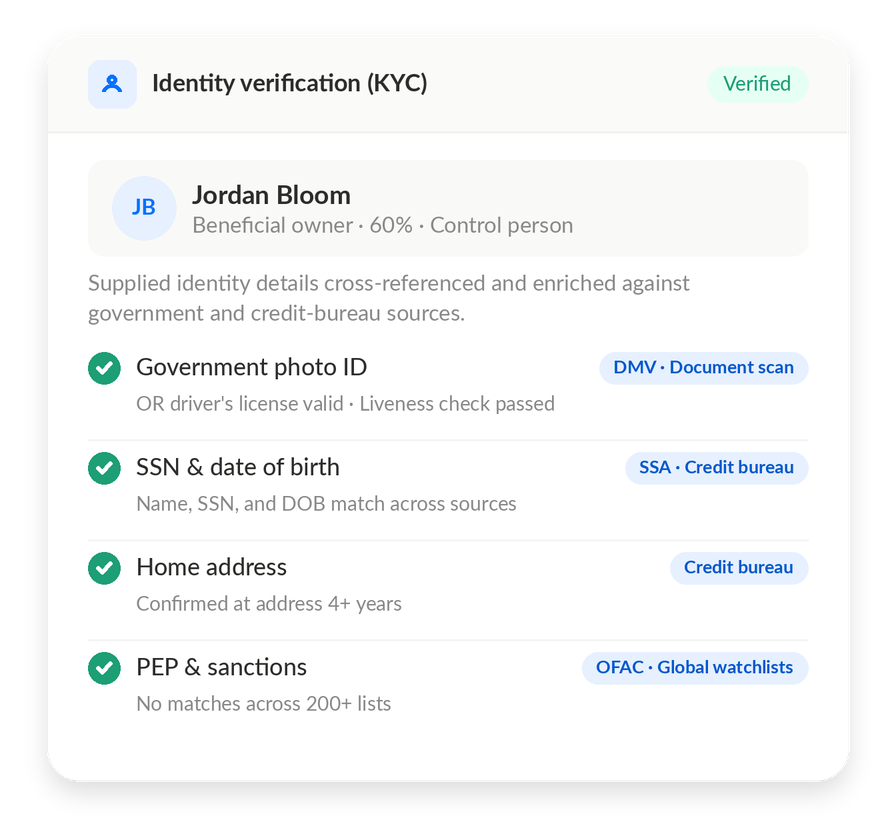
Each ISO gets a branded subdomain for merchant applications. The merchant fills out one form. KYC/KYB verification, OFAC sanctions, BBB lookup, prohibited MCC validation, and eSignature all run automatically inside the same flow.
ScanX collects documents and runs verification inside NMI's platform. Gratify wraps the same verification inside your own branded application, on infrastructure you control — with daily PEP and sanctions rescreening on the back end.
The merchant doesn't see a compliance UX bolted onto an application. They see one branded form that knows what it needs. Your underwriting team doesn't re-enter merchant data from a separate verification system.
ScanX runs the application inside NMI's platform. Gratify ships the branded application under your own brand, on your own infrastructure, with verification embedded by default.
Daily PEP and sanctions rescreening continues after onboarding.
Compliance is a continuous stage in the merchant's life, not a one-time gate.
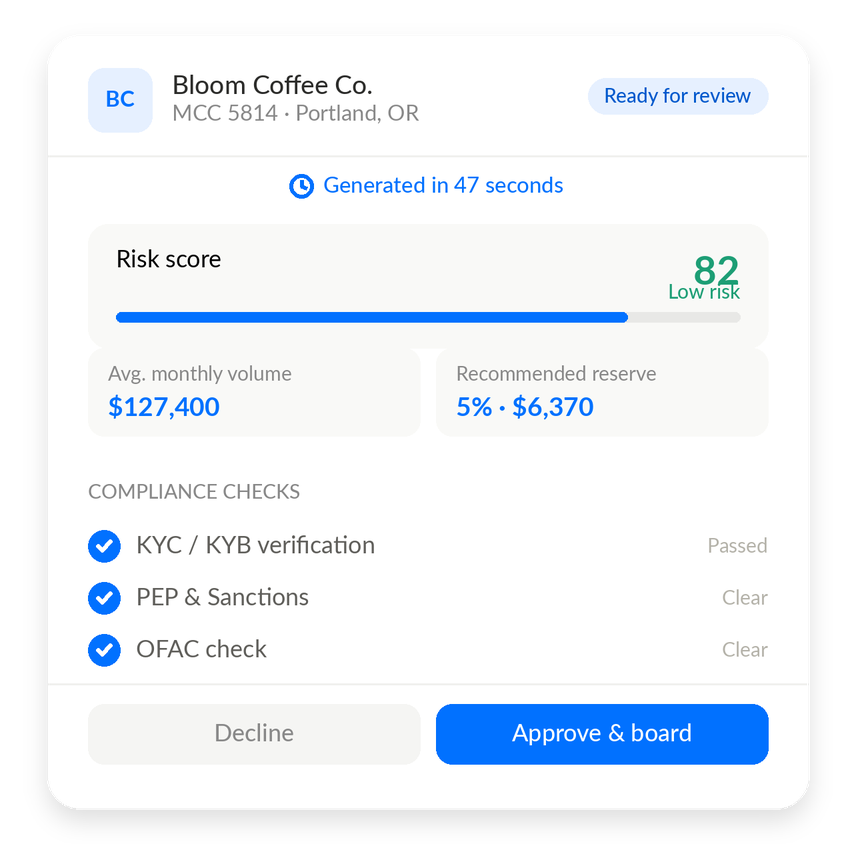
62+ configurable data points across three risk categories. Letter-grade scoring (A/B/C/D) with reserve recommendations. 1,627 MCC codes with chargeback ratios. ISO-configurable rules. ScanX underwrites well too — but the decision and the data live on NMI's platform; Gratify's underwriting belongs to your merchant record, on infrastructure you own.
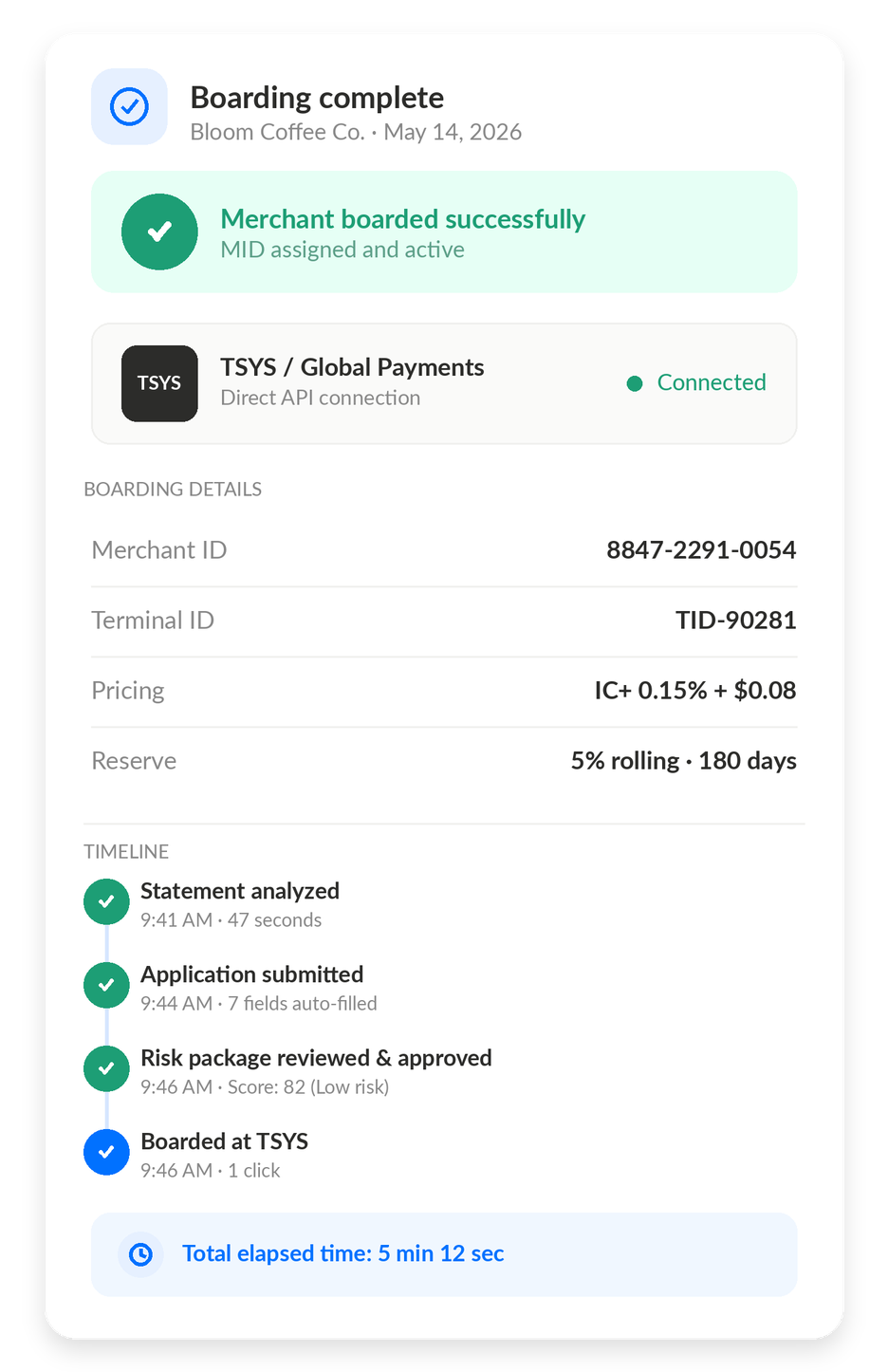
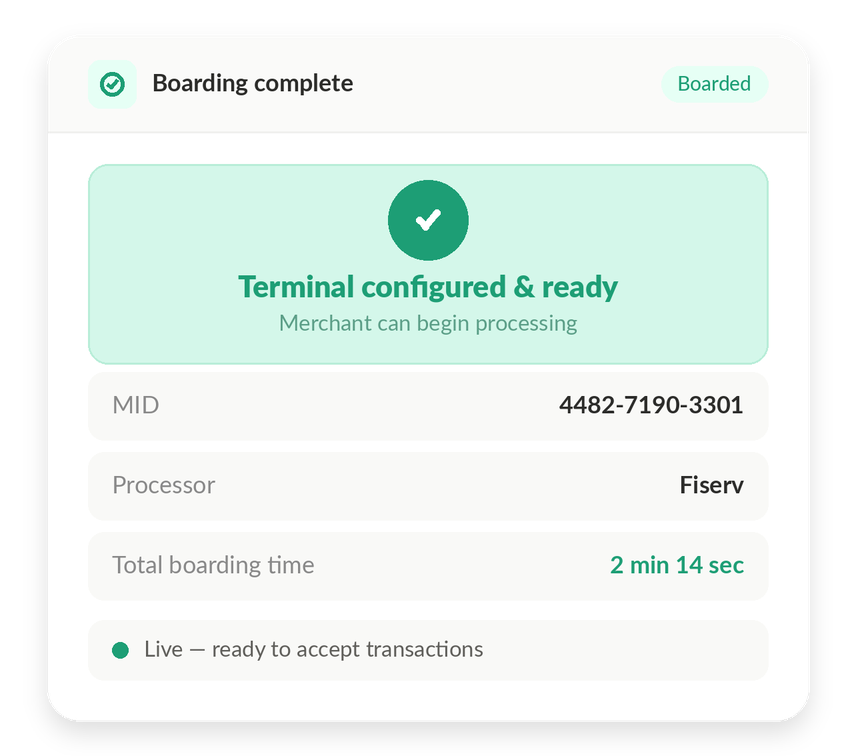
Direct API boarding to TSYS, Dejavoo, Repay, and Fiserv. One click from approved merchant to live processor. ScanX is an underwriting product, not a boarding platform — boarding is where Gratify takes the approved merchant live on your terms, without routing the relationship through a payments vendor.
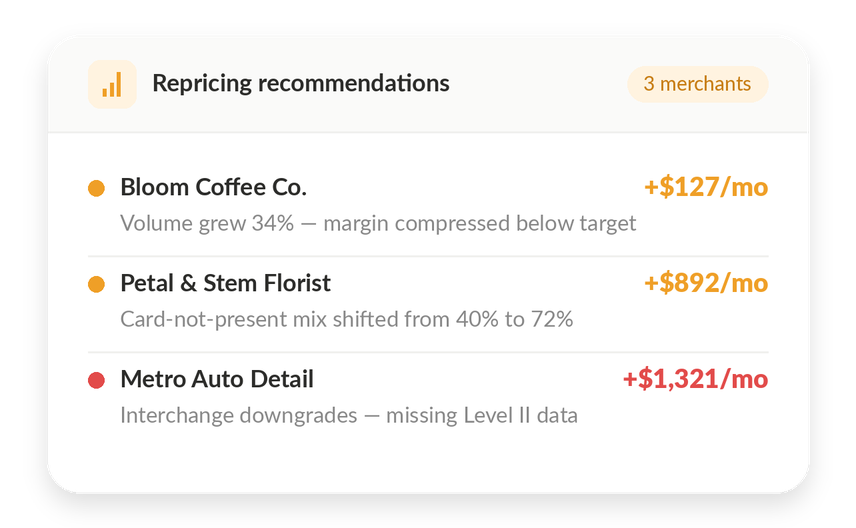
Daily monitoring of total volume, active merchant count, average markup BPS, and average effective rate. Before/after comparison on every reprice. ScanX ends after underwriting; Gratify protects the portfolio for the merchant's full life on book.